How Gully Labs is Building a ₹30 Cr Sneaker Brand by Making Indianness Cool
A precise breakdown of how Gully Labs is carving out a ₹30 crore business in India's most competitive category—aspirational premium sneakers—by doing something counterintuitive. They made their Indianness louder, not quieter.
This Isn't Another Marketing Playbook You'll Forget in 10 Minutes
Here's what you won't find in this article: generic advice about "building community" or "staying authentic." What you will find is a precise breakdown of how Gully Labs is carving out a ₹30 crore business in India's most competitive category—aspirational premium sneakers—by doing something counterintuitive. They made their Indianness louder, not quieter. While every D2C brand was chasing clean minimalism and Western aesthetics, Gully Labs put Devanagari script on heel tabs.
Why Gen Z Stopped Accepting Hand-Me-Down Cool
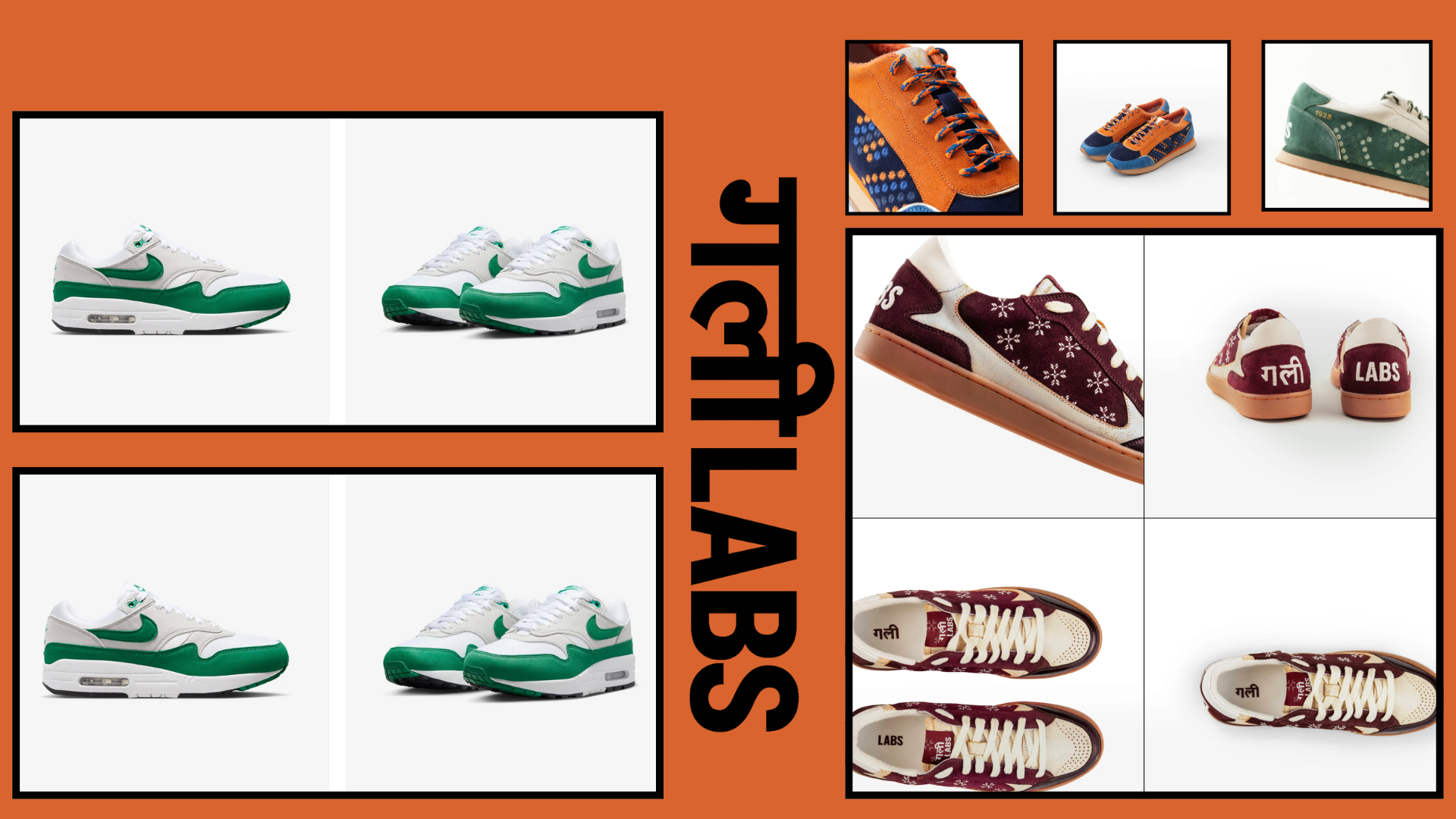
For decades, Indian consumers bought global sneaker brands because they represented aspiration. But here's what changed between 2020 and 2023: Gen Z started asking why their sneakers told American stories when they lived Indian lives. The sneakers they wore to college, to dates, to festivals—none of them acknowledged their reality. Global players weren't helping them stand out or express their personalities. A Nike Air Max in Mumbai looks identical to one in Manchester.
Gully Labs saw this frustration before it became obvious. They understood that India's projected 70.6 million pair sneaker market by 2029 wasn't just about volume—it was about young Indians demanding products that reflected their identity without compromise. The cultural shift wasn't "buy local because nationalism." It was "buy what represents you because global brands won't."
Who Gully Labs Really Speaks To (And Who They Ignore)
You're 24, working at a startup in Bangalore or creating content in Delhi. You own Jordans but also grew up celebrating Diwali, watching your grandmother draw rangoli, hearing ghungroo bells at weddings. You don't want to choose between global cool and Indian heritage. You want both, without apology. Gully Labs designed every sneaker for you.
Their customer isn't buying affordable alternatives to Nike. They're buying cultural membership. They value craft stories, limited editions, and design rooted in specific Indian contexts—Diwali launches with matchboxes in packaging, Phulkari stitching from Punjab. These buyers will pay ₹5,000-15,000 because the sneakers feel earned, not mass-produced.
Here's who Gully Labs consciously excludes: bargain hunters, trend chasers, and anyone treating sneakers as pure utility. By pricing premium and building their own flagship store in Panchsheel Park, Delhi—rather than relying on multi-brand outlets—they filtered their audience. When you're clear about who you're not for, the right people find you faster. That clarity built a 181,000-strong Instagram community in under two years.
How Branding Compounds When You Repeat the Same Belief
Walk into Gully Labs' world and you'll notice something immediately: every touchpoint reinforces one idea. Indian stories deserve global stages. Their product names aren't anglicised safety plays—Saaj Orange, Naadu, Baaz. Each references Indian festivals or motifs. The visual language doesn't whisper Indian identity; it screams it. Devanagari script stamped boldly. Rangoli perforations. Kantha stitching details.
But here's what seals the emotional connection: the packaging experience. For their Saaj Orange Diwali drop, Gully Labs didn't ship sneakers with generic tissue paper. They included matchboxes and candles—actual matchboxes you'd find in Indian homes, candles you'd light during the festival. Opening the package became participating in ritual, not completing a transaction. That extra few bucks in packaging cost created thousands in perceived value and generated hundreds of organic shares.
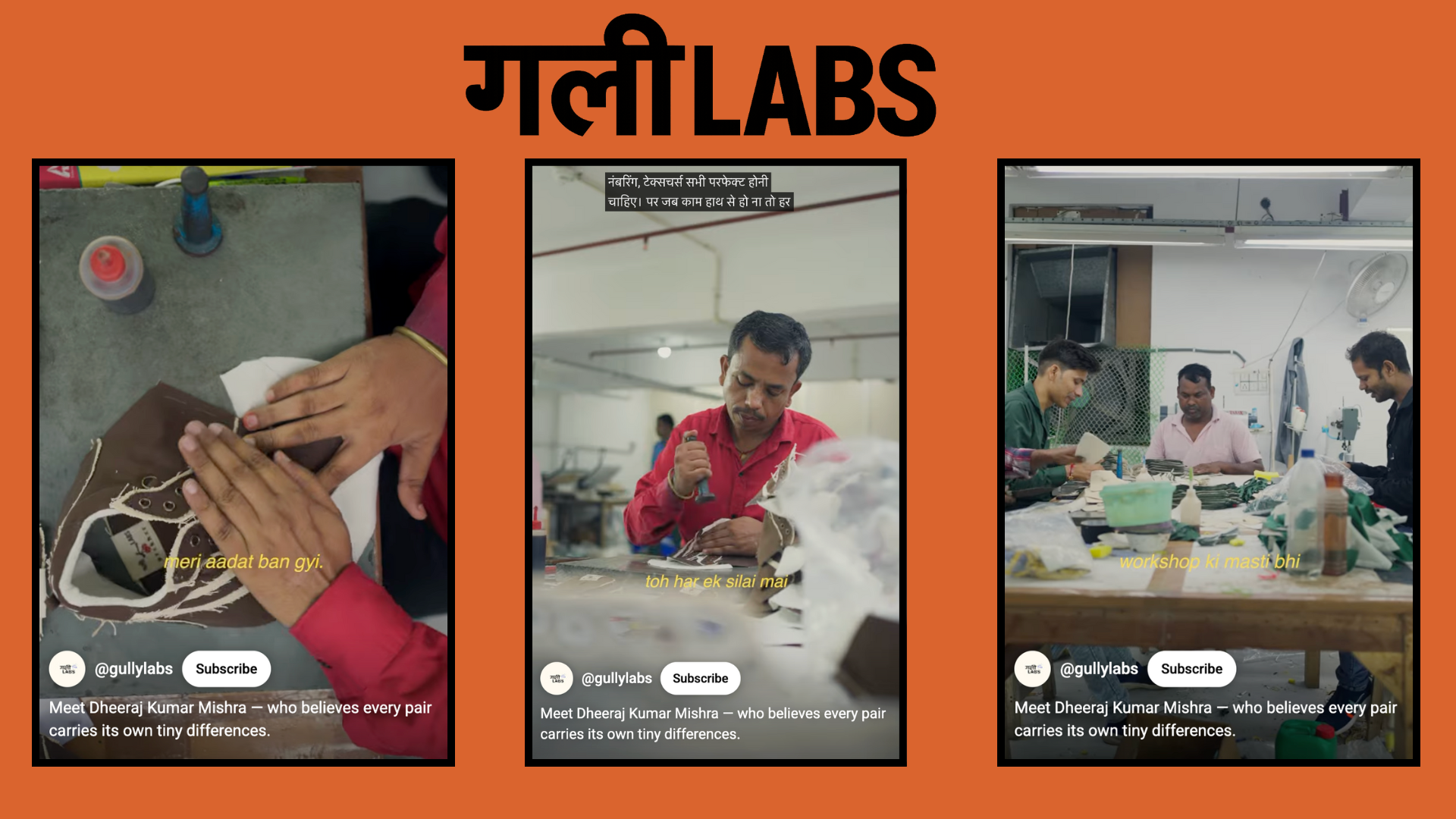
Founders Arjun Singh and Animesh Mishra don't hide behind brand-speak. They show their faces, host karigars at launch events, share factory tours from their Noida facility. When you see the hands stitching your sneakers, price stops being the only metric that matters.
Digital Experience as Product Experience
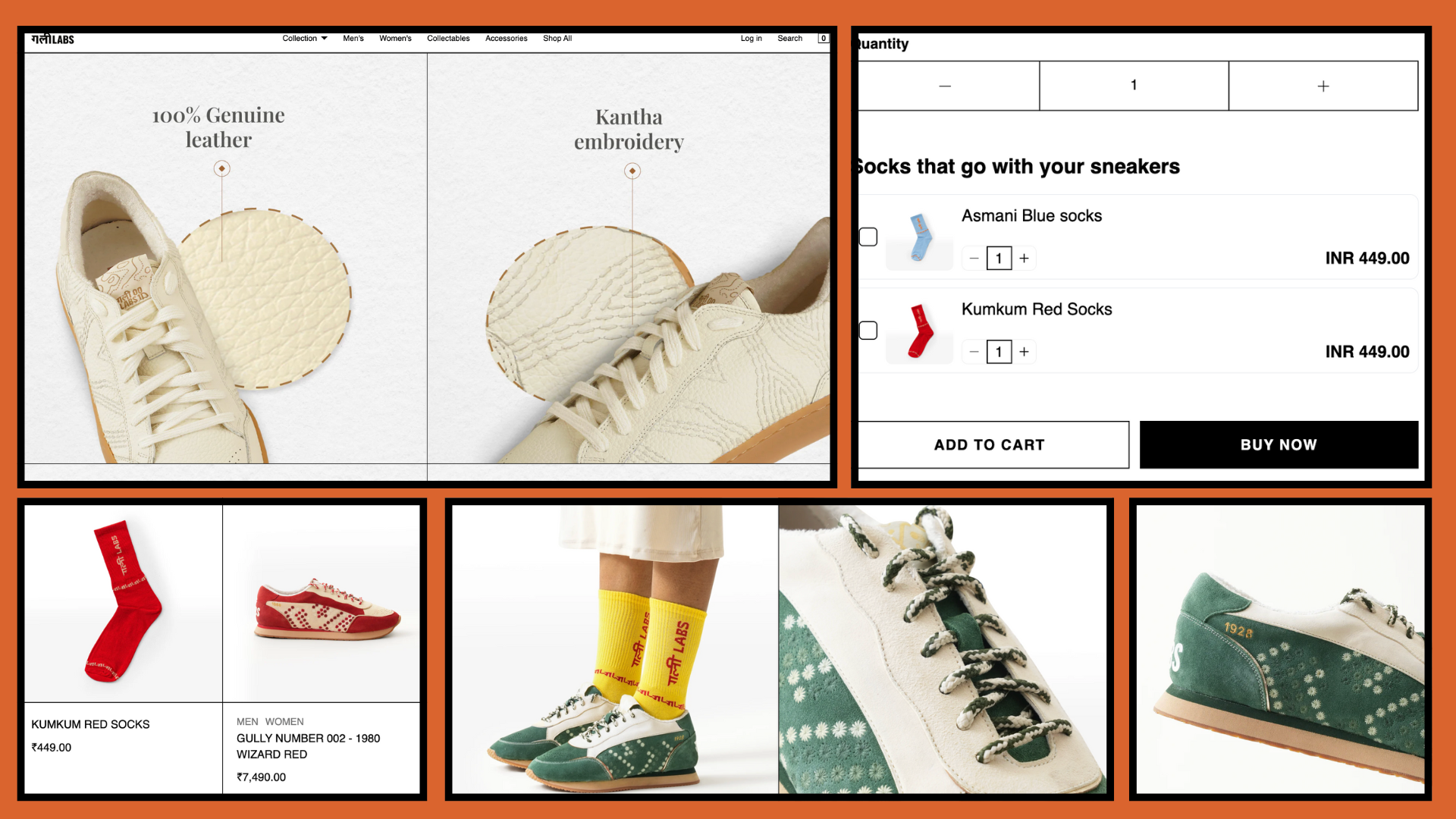
Visit any product page and you'll notice: every sneaker has high-resolution zoom functionality that lets you inspect Kantha stitches thread-by-thread. This isn't accidental. When you're charging ₹5,000-15,000, skepticism kills conversion. The zoom feature answers: "Is this actually premium, or just premium-priced?"
The smarter move: right below product images, Gully Labs suggests socks from their accessories collection. "Complete your look with Gully Socks." This simple psychology shift works because someone already spending ₹6,000 on craft sneakers has overcome the biggest hurdle: the decision to buy. Adding ₹500 socks doesn't require a new decision—it's just completion. The friction is already gone.
The Social Media Strategy: Three-Track System
Gully Labs doesn't post content—they build narrative layers. Their Instagram operates on three distinct tracks:
Track 1: Founder-Led Transparency
Arjun and Animesh appear in Stories explaining design decisions, showing prototype failures, walking through their manufacturing facility. When Singh explains why they chose dry-milled leather for the Royal Enfield collab (better gear-shift grip), he's teaching the audience to value craft details they'd otherwise ignore.
Track 2: Karigar Stories
They consistently share karigar profiles—where they're from, what techniques they specialize in. One post featured a karigar explaining Kantha stitching patterns his grandmother taught him. The engagement? 3x their average. This transforms purchase into patronage. You're not just buying sneakers—you're supporting artisans preserving traditional craft.
Track 3: Community Amplification
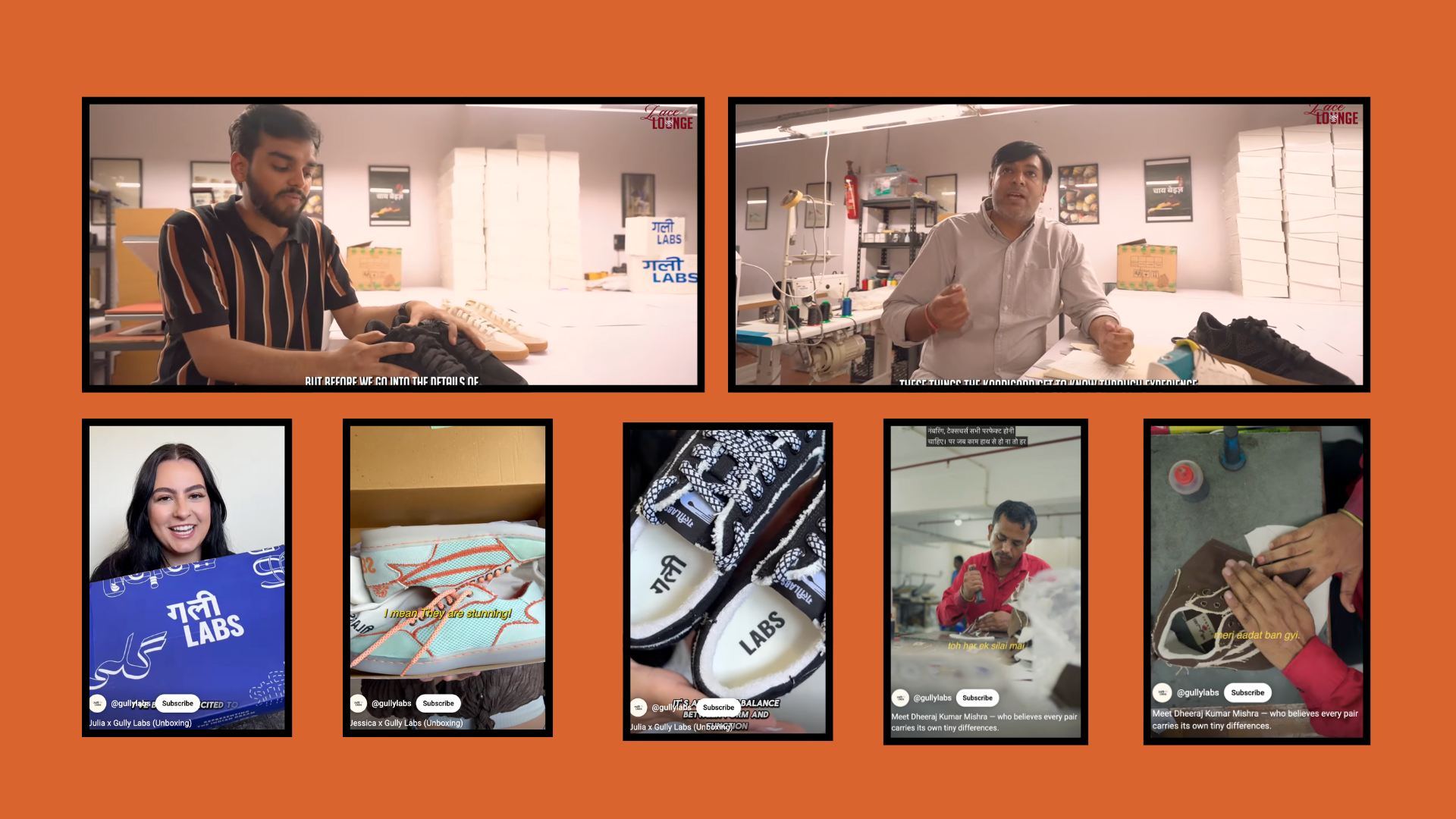
When customers post unboxing videos or style shots, Gully Labs reposts with commentary, turning customers into co-creators. This feeds the loop: people want to be featured, so they create better content, which attracts more community members.
The Flagship Store: Where Brand Promise Becomes Physical Reality
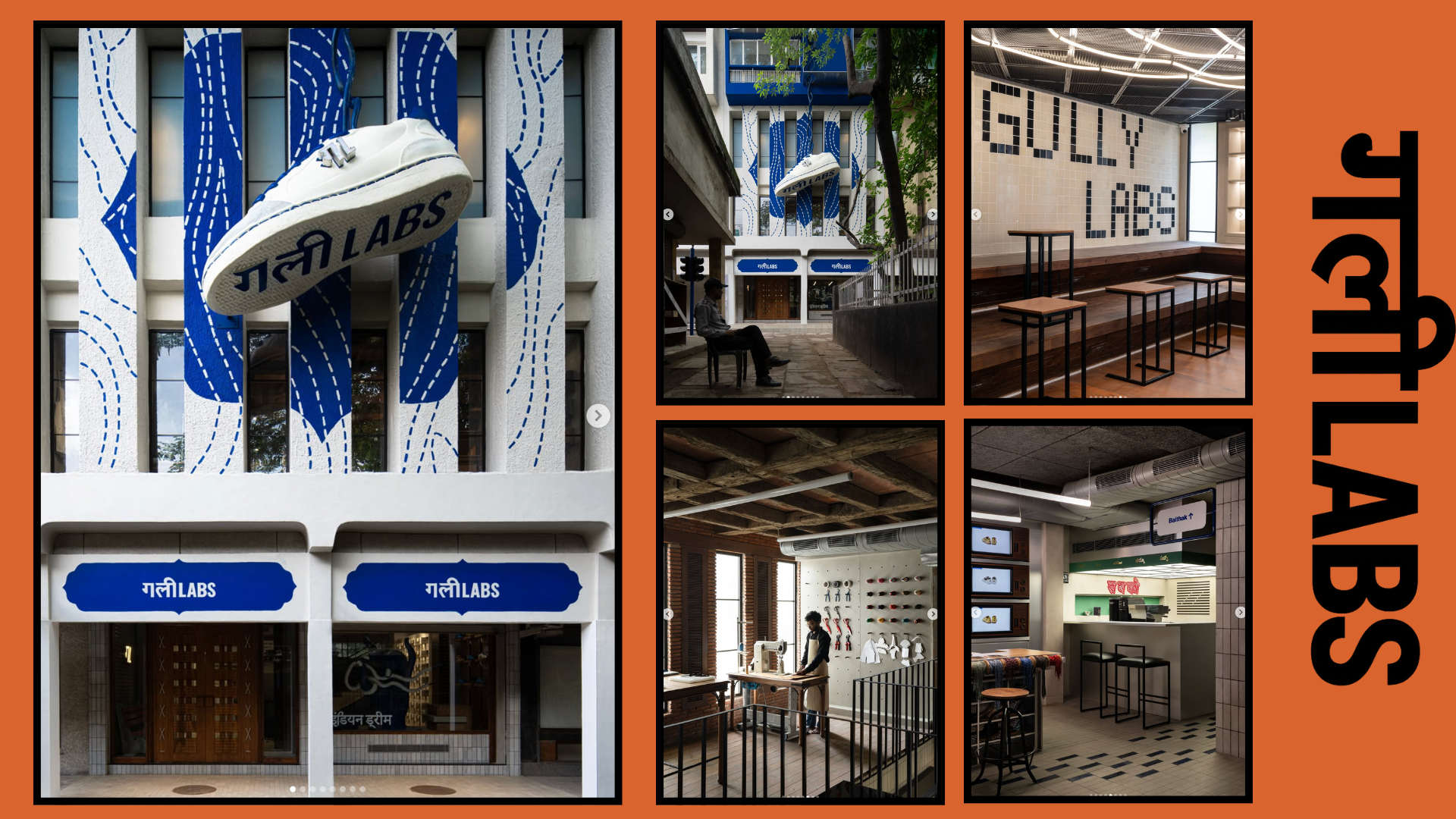
In September 2025, Gully Labs opened their Panchsheel Park flagship. I walked into this space, and as a marketer, I was genuinely moved. From their Instagram to their website to this physical space—the consistency was flawless. Every customer touchpoint delivered the same message: Indian culture deserves premium space.
Most homegrown Indian brands compromise somewhere. They nail digital but their stores feel generic. Or they build beautiful stores but their Instagram looks like everyone else's. Gully Labs understood: inconsistency kills trust. When your social media screams cultural pride but your store looks Western, customers register the dissonance subconsciously.
The three-level Baithak features cement brick jaalis as shoe displays, red cement benches, pointed arches—all Indian design vocabulary. First floor: Subko Coffee (third space atmosphere), customization studio (adding ₹800-1,500 AOV through personalization), and a karigari museum proving craft complexity. Second floor: amphitheater for events—generating cultural currency, not immediate revenue.
This consistency compounds. When a customer sees the same jaali patterns on Instagram that they touch in the store, when the matchbox packaging matches the design language of the physical space—that consistency builds unshakeable brand equity.
Campaign Breakdown: Royal Enfield x Hunter 350
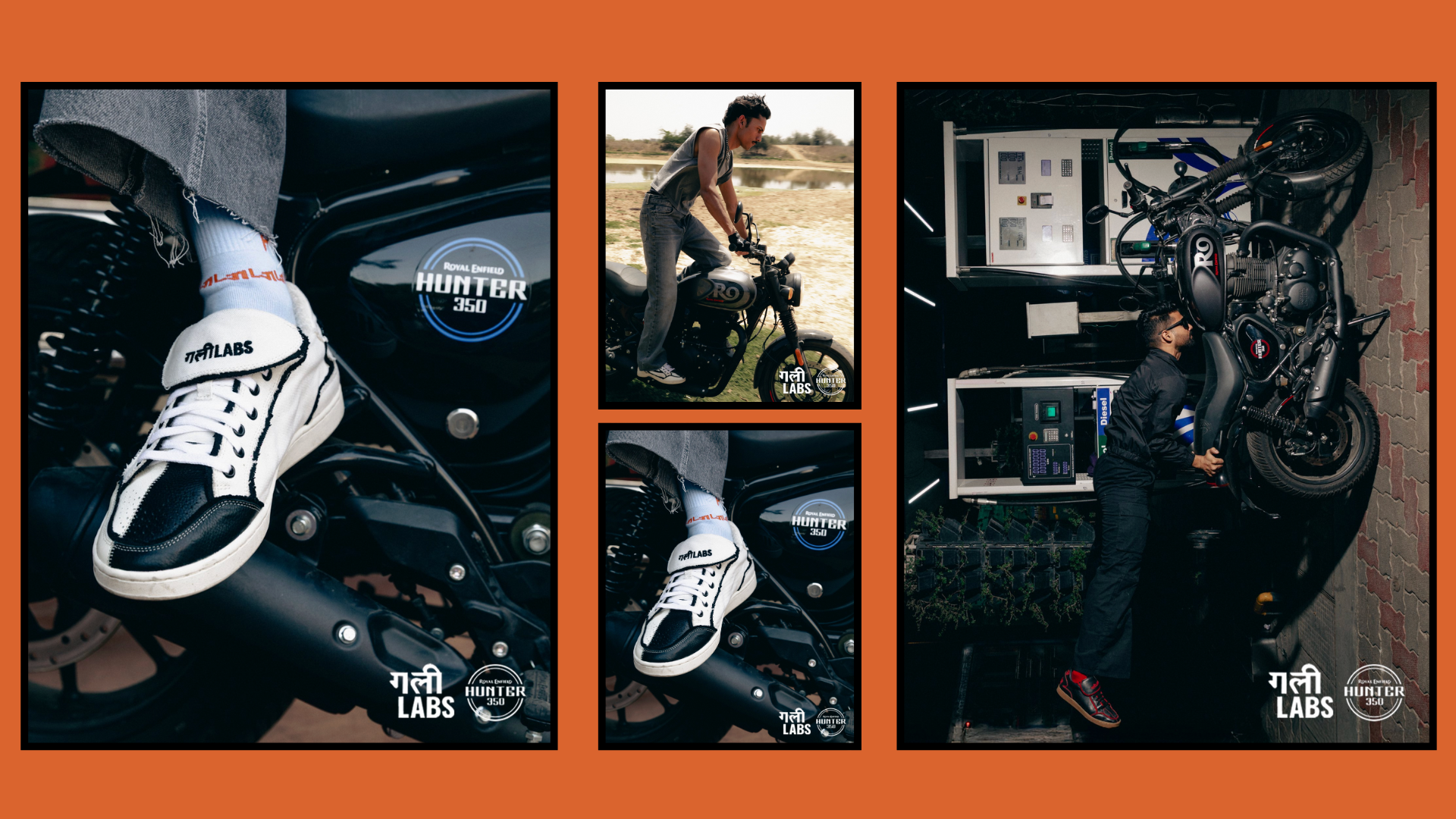
The Problem: By early 2025, Gully Labs needed validation beyond sneakerheads. Royal Enfield needed culturally resonant sneakers for their Hunter 350 bikes.
The Insight: Sneakerheads and riders share identical values: freedom, movement, craftsmanship. No Indian brand had bridged these worlds.
The Execution: Gully Labs reimagined their Baaz silhouette through motorcycle design language. Dry-milled leather toe boxes for gear shifts. Frayed canvas panels. Tongue flaps inspired by fuel tank curves. Three colourways matched the bikes. Launch happened at Hunterhood festivals—limited quantities sold out at events before website drops.
Why It Worked: Royal Enfield, a 123-year-old Indian icon, chose Gully Labs over international brands. That validation signal mattered more than any influencer campaign. The functional design details proved the partnership wasn't cosmetic.
The Lesson: Collaborations work when both brands trade equity, not just audience. Resonance partnerships create something neither brand could make alone.
Campaign Breakdown 2: CMF by Nothing Design Challenge
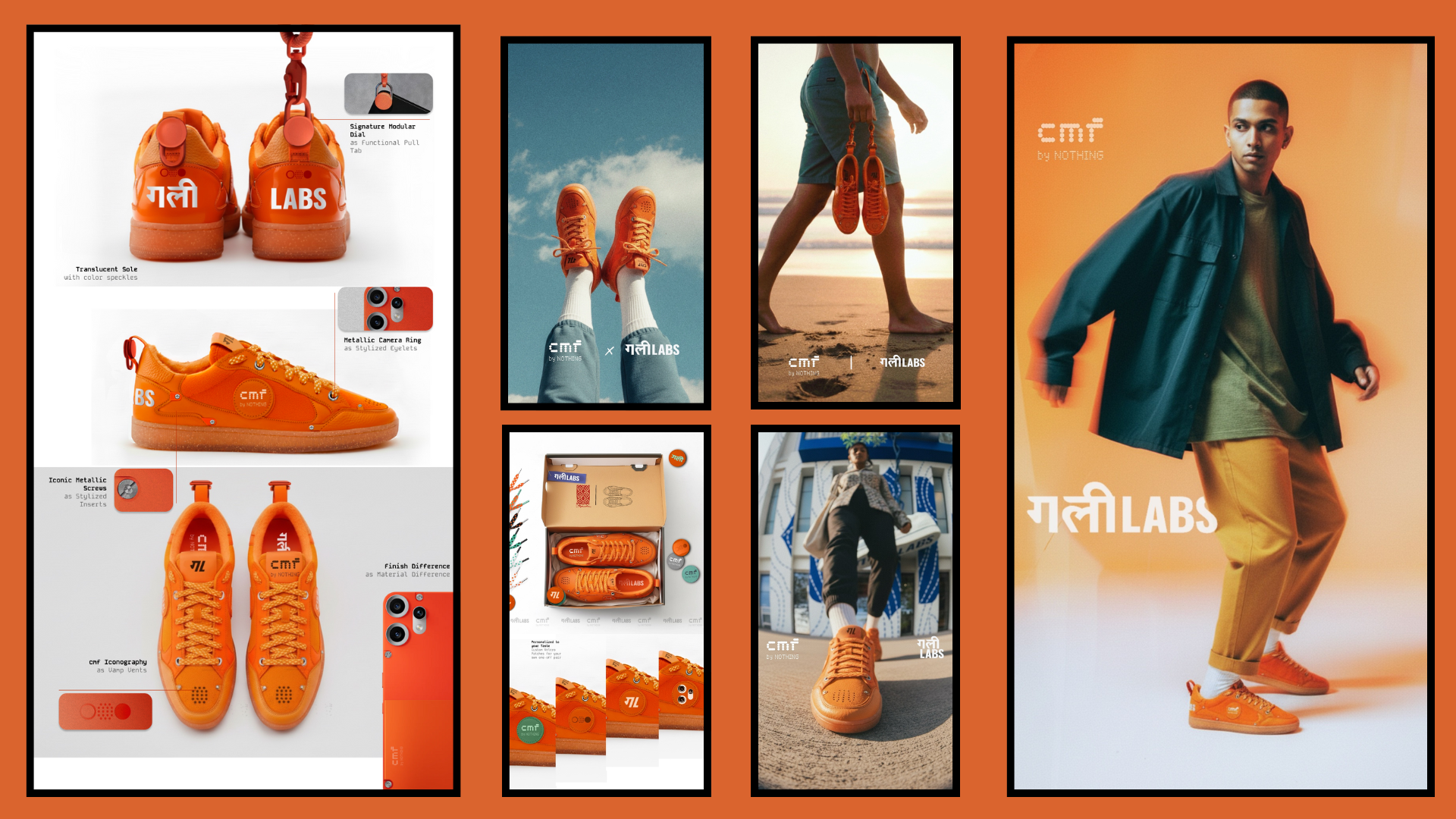
The Problem: By late 2025, Gully Labs had built loyalty but needed community depth, not just width. CMF by Nothing—Nothing's sub-brand known for modular design—wanted to enter footwear but lacked manufacturing infrastructure.
The Insight: India's design community consumes global design culture obsessively but rarely gets opportunities to contribute to real brands. Thousands of talented designers create spec work that never sees production. They crave platforms, not just products.
The Execution: Gully Labs and CMF launched a design challenge asking designers to reinterpret the Gully Number 001 silhouette using CMF Phone 2 Pro's colours, materials, and modular philosophy. Submissions happened on Instagram. Grand prize: limited-edition production run, ₹50,000 cash, potential internships. Hundreds of submissions flooded in, each promoting both brands organically.
Why It Worked: The challenge tapped into the status economy, not the attention economy. Designers wanted portfolio validation and brand association more than cash. Every submission became free advertising. CMF gained footwear credibility. Gully Labs accessed CMF's tech-savvy design audience. Winners didn't just get prizes—they got their work produced and their name attached to a real product launch.
The Lesson: Community campaigns work when participants gain status, not just prizes. Let them create something they'd brag about, then give them the platform to do exactly that.
What Gully Labs Teaches You About Building Moats
Identity before scale. Gully Labs chose "unapologetically aspirational Indian premium sneakers" over "affordable sneakers for everyone." That specificity attracted 181,000 followers and aiming at ₹30 crore revenue faster than broad positioning ever could.
Campaigns are repeated beliefs, not isolated posts. Every drop—Diwali launches, Enfield collabs, CMF challenges—reinforced one idea: Indian culture deserves global respect. Consistency compounds when the belief is strong enough.
Platforms amplify clarity, not confusion. Royal Enfield's visibility only mattered because Gully Labs already knew who they were. Build the brand before seeking megaphones.
Price signals value, not just cost. Their ₹5,000-15,000 range filtered customers and reinforced craft positioning. The margins funded better materials, artisan wages, and storytelling budgets.
Exclusion creates inclusion. By consciously not being for everyone, Gully Labs made their actual customers feel chosen. The people who pay ₹8,000 for hand-lasted sneakers aren't buying shoes—they're buying membership into a tribe.
The Uncomfortable Truth About Building Distinct Brands
Most Indian brands fail not because they lack talent or capital. They fail because they're terrified of being too Indian. They anglicise names, chase Western aesthetics, and treat their origin as something to transcend rather than amplify.
Gully Labs understood: in categories where global giants own culture, your only moat is radical specificity. You can't out-Nike Nike by making slightly cheaper Nikes. You win by making something Nike could never make—something that couldn't exist anywhere else. The brands that matter most in the next decade won't be the ones that successfully imitate. They'll be the ones that successfully translate their context into commerce.
Gully Labs didn't just build a sneaker brand. They proved that in oversaturated markets, being unapologetically yourself isn't a liability. It's the only strategy that scales.